Many building specifications ask for "fire retardant" or "FR" polystyrene. This article explains what that grade is, what it does and does not do, and how to order it.
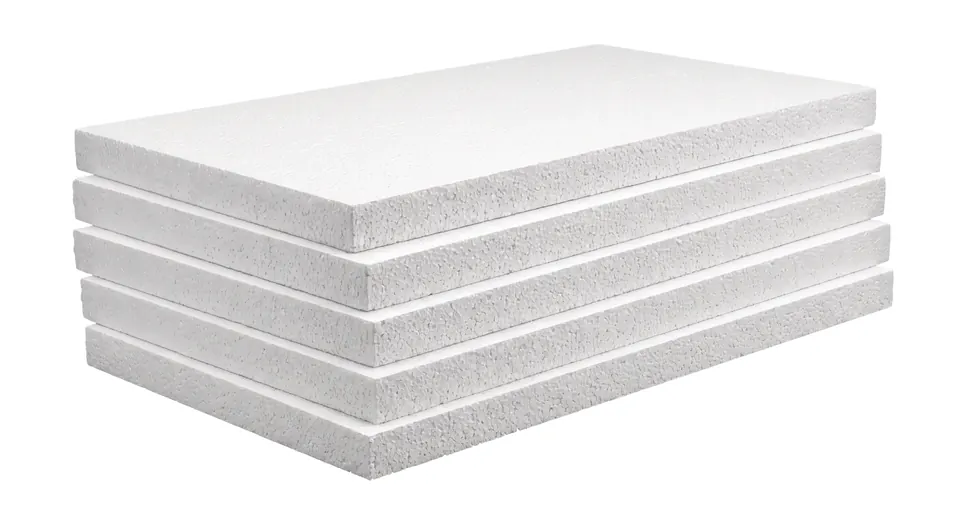
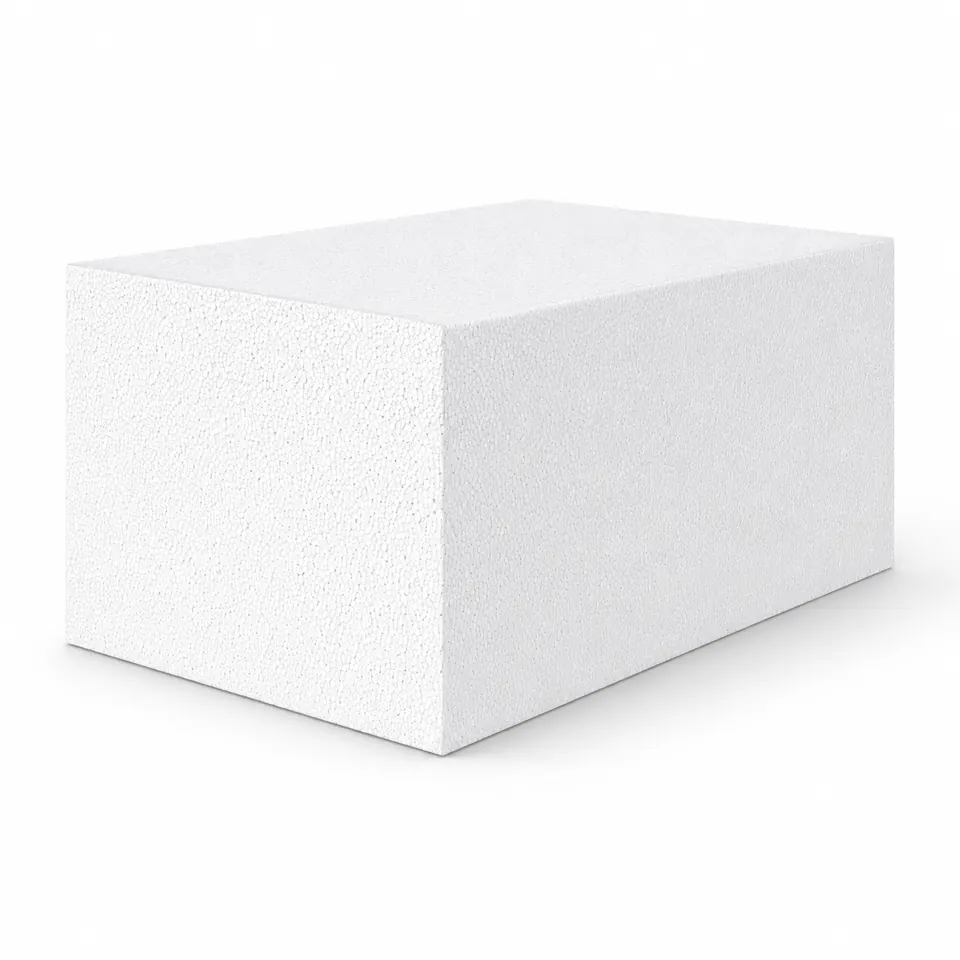
We produce our EPS blocks and sheets in two types, fire retardant and non-fire retardant, and our fresh EPS beads are fire retardant.
What makes EPS fire retardant
Fire retardant EPS is made from polystyrene raw material that contains a flame retardant additive. It is sometimes called FR or SE (self-extinguishing) grade. Faced with a small flame, it shrinks away from the heat and is much harder to ignite than standard EPS, and it stops burning once the small flame is taken away.
Standard EPS has no flame retardant and catches fire more easily. That is fine for many packaging uses, but building projects normally require the fire retardant grade.
What it does not mean
Fire retardant does not mean fireproof or non-combustible. EPS is a plastic, and in a fully developed fire with sustained heat, fire retardant EPS will melt and burn. That is why building codes control how EPS is installed, not only which grade is used.
In the European classification (EN 13501-1), for example, standard EPS is rated class F and fire retardant EPS is typically rated class E. Neither is a non-combustible class.
How EPS is used safely in buildings
- Use the fire retardant grade for building insulation, unless your consultant says otherwise.
- Protect it. EPS insulation is normally covered by a fire-resisting layer such as concrete, masonry, plaster, render or plasterboard, so it is not exposed inside the building.
- Follow the system approval for façades. In the UAE, façade and cladding systems must meet the UAE Fire and Life Safety Code, which assesses the complete system, not a single material. Your façade consultant and the system supplier will tell you which insulation the approved system allows.
- Take care on site. Store EPS away from heat, sparks and flammable materials, and keep hot works such as welding and cutting well clear of exposed foam.
A note on flame retardants
For many years the flame retardant used in polystyrene insulation was HBCD. It has been phased out under the Stockholm Convention, and the industry has moved to polymeric flame retardants. If your project needs to know which flame retardant our EPS contains, ask us and we will confirm it for our current raw material.
Ordering fire retardant EPS
When you request a quote, state "fire retardant" next to the sheet or block sizes, density and quantity. If your consultant needs test reports or certificates for approval, mention it in your request so we can tell you what is available for the grade you need.
See our buyer's guide for the full checklist, or read how EPS compares with XPS.