

What is expanded polystyrene?
A closed-cell, lightweight, rigid foam plastic, also commonly known as Styrofoam or thermocol.
Expanded polystyrene (EPS) is composed of carbon and hydrogen molecules, derived from petroleum and natural gas by-products.
Moulded EPS is non-toxic, and no chlorofluorocarbons (CFCs) are used in its production. It is environmentally friendly: thanks to its strength and excellent insulation value, less material is needed, and less energy is used in manufacturing compared with alternative materials. EPS does not support microbiological growth.
Its low thermal conductivity, high compressive strength and excellent shock absorption make EPS ideal for insulating concrete forming systems. It is also the material commonly found in protective cushion pads for computers and other electronic equipment.

Advantages of EPS
Our EPS products
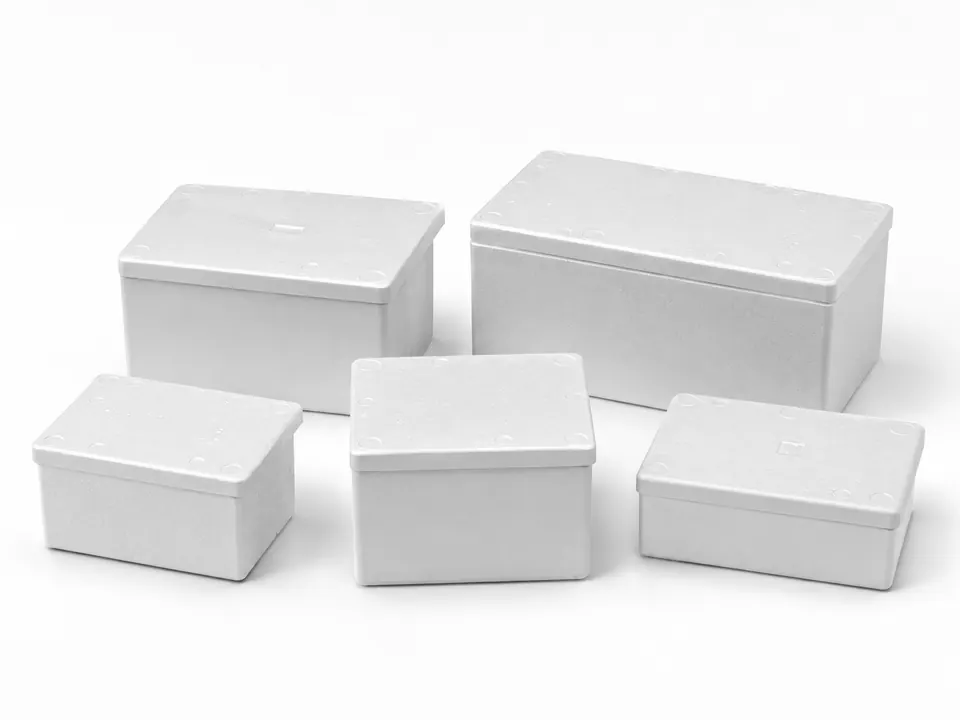
EPS Boxes
Food-grade EPS boxes offering thermal insulation for seafood and temperature-sensitive goods.
View details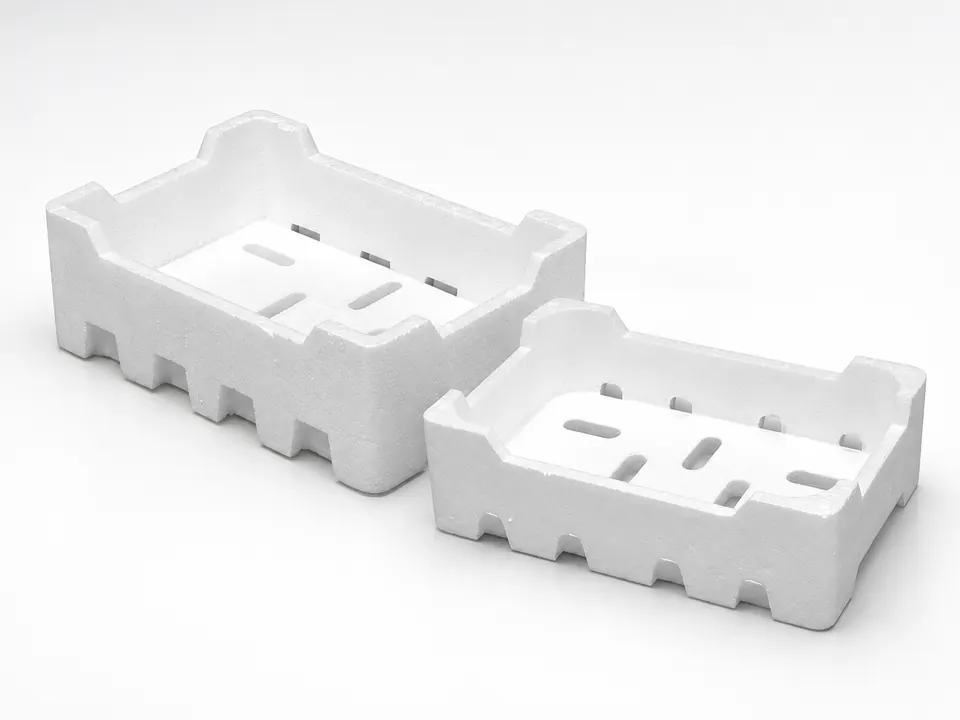
EPS Open Boxes
Lightweight EPS open boxes for vegetables and fresh produce distribution.
View details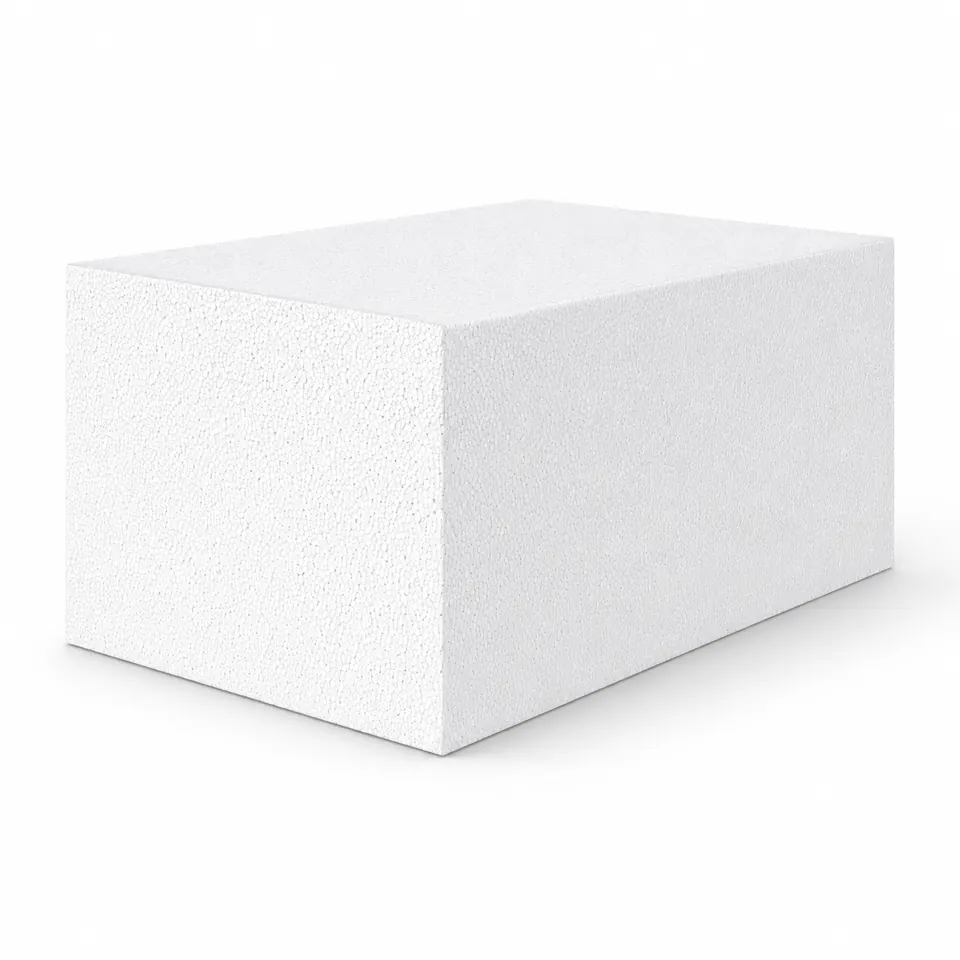
EPS Blocks
EPS blocks in various densities for insulation, CNC cutting and industrial applications.
View details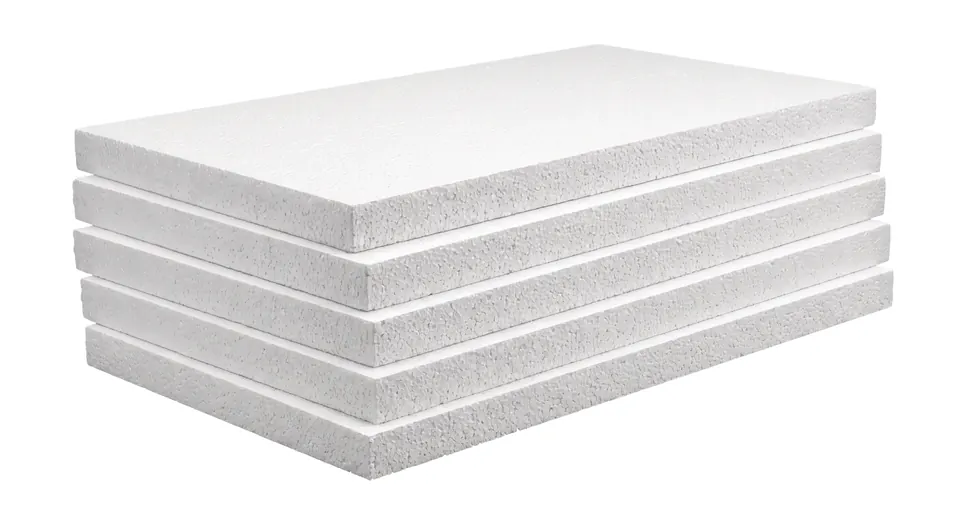
EPS Sheets
EPS thermocol sheets in multiple densities for insulation, packaging and construction use.
View details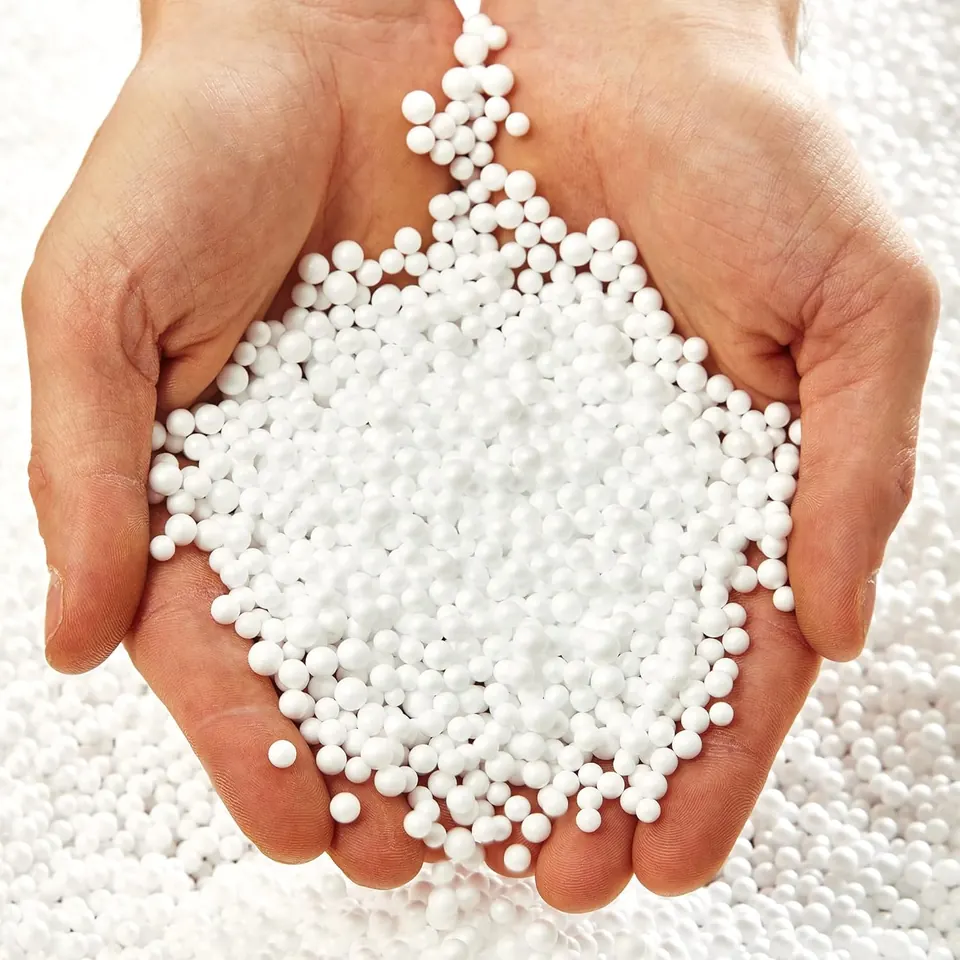
EPS Beads
Fresh EPS beads for moulding and packaging applications.
View details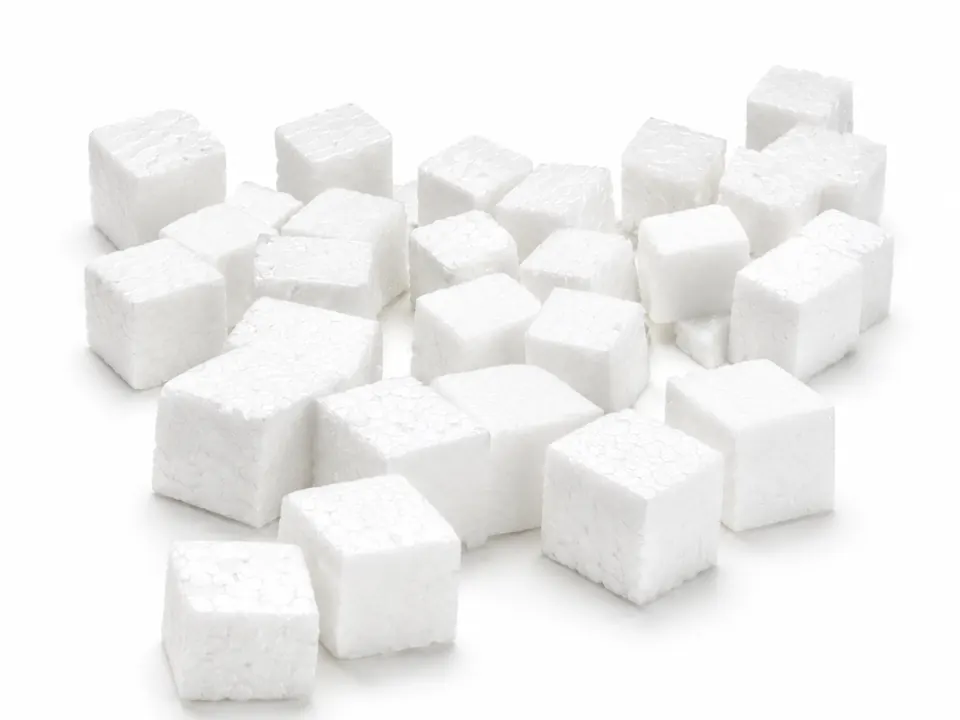
EPS Chips
EPS chips for protective packaging, void filling and shock absorption.
View detailsNeed EPS for your next project?
Tell us what you need and our team will prepare a quotation for you.